Starting Up Your Device: A Friendly Guide
Getting a new hardware device can feel technical, but the first moments are simple and important — they set the tone for safe and reliable use. This guide walks you through the essentials for starting your Trezor device with confidence: from unboxing and verifying authenticity to the initial configuration and everyday best practices.
Right after unboxing, the most important step is to verify the device packaging and tamper-evident seals. Make sure the packaging looks intact and that any security stickers match the manufacturer’s guidance. When you power on the device, it will display an onboarding flow; follow each prompt and never skip steps. For the official setup flow, consult trezor.io/start — the recommended starting point for authentic setup instructions and downloads.
During the setup you will create or restore a recovery phrase. This is the single most critical piece of information that controls your funds. Write your backup on the supplied recovery card (or a recommended metal backup if you have one) and store it where only you can access it. Never photograph or store your recovery phrase on a cloud service or a device that is connected to the internet.
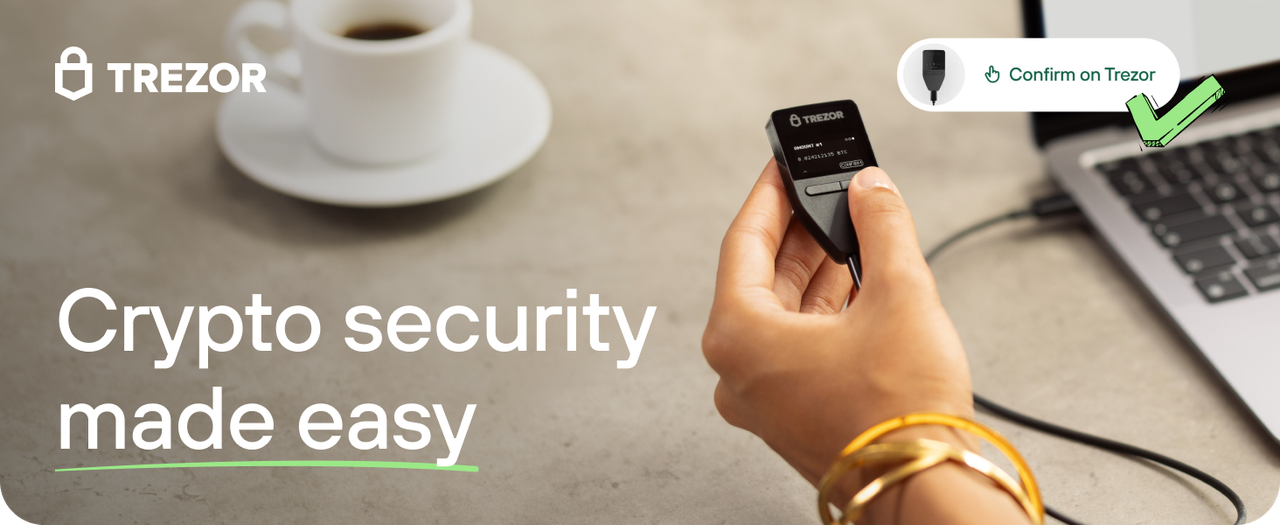
Next, create a PIN on the device. A properly chosen PIN protects your device if it is lost or stolen. Keep the PIN memorable but avoid obvious patterns. The device will confirm the PIN by asking you to enter it before every sensitive action. Note that most devices combine the physical buttons with the screen to make remote compromise much harder.
After the initial configuration is complete, learn how to use the companion software to manage accounts, send transactions, and review activity. Always download companion apps or firmware only from verified sources and check digital signatures or other integrity markers if provided. If the device prompts for a firmware update, verify the details and perform updates only when you are on a trusted, secure connection.
Regularly review your security posture. Keep device firmware up to date, limit exposure of sensitive data, and be cautious with software extensions or third-party services that request access to your device. When receiving support, rely on official channels and documentation rather than unsolicited messages. If you suspect tampering, stop using the device and reach out to official support for next steps.
For everyday convenience, familiarize yourself with address verification: always confirm the receiving address on the physical device screen before sending funds. This prevents hidden malware on a connected computer from redirecting payments. Use small test transactions if you are interacting with a new service for the first time.
Finally, plan for disaster recovery. Store a copy of your recovery phrase safely and consider geographic redundancy if you hold significant assets. Educate trusted family members or designated successors about the existence of the recovery if appropriate, and document high-level recovery instructions without revealing secrets.
Starting up your device with care and attention pays off: a few minutes today will protect your assets for years. For step-by-step downloads and the official onboarding, remember the official starting page: trezor.io/start. That page contains the current, verified instructions and tools to get your device running safely.